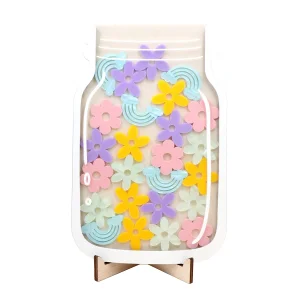
Engineered specifically to support primary programming mandates and high-precision STEM instruction across Aichi Prefecture.
Nagoya, the capital of Aichi Prefecture, stands as the undisputed heart of Japanese manufacturing (Monozukuri). Historically renowned for automotive giants, aerospace development, and precision machinery, the city is undergoing a major transformation to secure its future. The local government and corporate leadership recognize that the next generation of engineers must not only master physical craftsmanship but must also possess deep computational thinking capabilities. With the Japanese Ministry of Education, Culture, Sports, Science and Technology (MEXT) mandating programming education in elementary schools, Nagoya's educational sector has experienced a surge in demand for sophisticated, reliable, and curriculum-aligned coding educational toys.
"In Nagoya, the integration of coding education is not merely an academic requirement; it is a critical initiative to preserve Aichi's industrial competitiveness. Educational toys must bridge the gap between tangible mechanics and logical software execution."
In Nagoya's educational landscapes—from regional public schools to prestigious prep academies (Juku)—there is a distinct preference for educational systems that combine tactile engineering with digital logic. Traditional screen-only coding applications fail to capture the sensory-motor learning style highly valued by local Montessori educators and childhood developmental experts. By using physical blocks, robotic gears, sensory gloves, and microcontrollers, kids develop spatial intelligence alongside syntax structures. Our coding products are designed with this philosophy in mind, ensuring that children gain a hands-on understanding of input-output relations, loop parameters, and conditional logic without sacrificing physical play.
Japanese educational buyers have some of the highest standards in the world regarding safety, durability, and packaging. Under the Toy Safety Standard (ST Standard) administered by the Japan Toy Association, toys must undergo rigorous physical, chemical, and flammability testing. Additionally, the user experience must be meticulously tailored. Instruction manuals must be localized with clear hiragana/katakana guides for younger children, and hardware interfaces must be robust enough to withstand repetitive classroom usage. Hangzhou Ebid Toy Co., Ltd. has established clean production lines and strict QC protocols specifically to address these requirements, ensuring our exports to Nagoya flow smoothly through customs and exceed consumer expectations.
MEXT Standard Aligned
Global Patents & Certs
Schools Supplied in Aichi
Non-Toxic eco materials
Advanced hardware designed for middle school, high school, and coding school franchises across Nagoya.
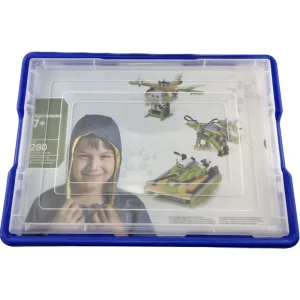
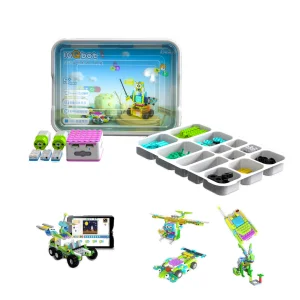
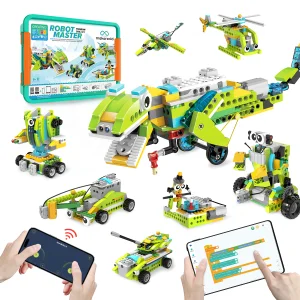
Nagoya Primary School Robot Stem Educational Coding Kids Cheap Toys Education Wedo 2.0 Core Set 45300 View Product →
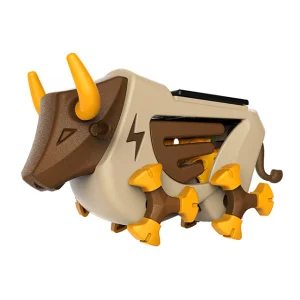
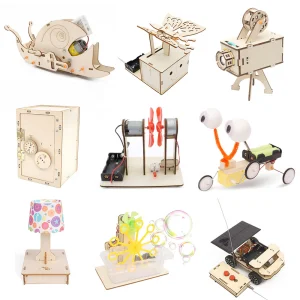
Nagoya Eco-Friendly Educational Toys for Kids Learning Toy Educational Science Coding Engineering Kit STEM Solar Robot Toys View Product →
The global educational toys market is rapidly expanding, fueled by advancements in Artificial Intelligence, IoT integrations, and the democratization of microcontrollers. Today's classroom is no longer restricted to static plastic blocks; children are building neural networks, programming drones, and assembling smart cities. However, the global supply chain often fails to meet the specific requirements of regional markets. A standard STEM kit shipped to Western countries may not align with the educational pathways established in Nagoya, where logical reasoning and precise mechanical construction (rooted in their automotive history) take precedence. Our focus as a specialized exporter is to deliver hardware that meets global standards (CE, CPC, CPSIA) while offering localized curriculum maps customized for Japan’s primary school standards.
As we transition from simple programmable toys to intelligent, connected systems, graphical languages like Scratch 3.0, Blockly, and Python have become standard. Educational kits must support seamless Bluetooth connection to Chromebooks and iPads, which are widely distributed in Nagoya classrooms under Japan’s "GIGA School Concept." Products such as our ESP32-S3 block coding kit allow students to construct advanced speech dialogues and machine learning algorithms using familiar drag-and-drop mechanics. This reduces initial frustration and encourages children to continue exploring hardware-level interactions.
Importing toy products into Japan involves navigating complex regulatory landscapes, specifically the Food Sanitation Law (which governs toys intended for infants under 6 years of age) and electrical compliance certificates like the PSE mark for battery chargers and active electronics. Our logistics and compliance teams work closely with importers in the Port of Nagoya to guarantee all documentation, customs declarations, and testing certificates are completed well before the ship docks. Furthermore, our raw materials are selected for stability and environmental safety, utilizing BPA-free plastics, non-toxic wood coatings, and durable electronic components.
A premier manufacturer and exporter committed to safety, innovation, and global educational standards.
Hangzhou Ebid Toy Co., Ltd. is a leading China educational toys manufacturer specializing in the design, development, and production of STEM, Montessori, and early learning toy solutions. With years of experience in the children's educational products industry, Ebid Toy is committed to creating innovative, safe, and engaging toys that inspire creativity, learning, and cognitive development for children around the world.
Our extensive product portfolio includes STEM educational toys, Montessori learning toys, wooden educational toys, puzzles, building blocks, sensory toys, science experiment kits, interactive learning games, and early childhood development products. Designed to combine fun with education, our products help children improve problem-solving abilities, motor skills, logical thinking, creativity, and social interaction.
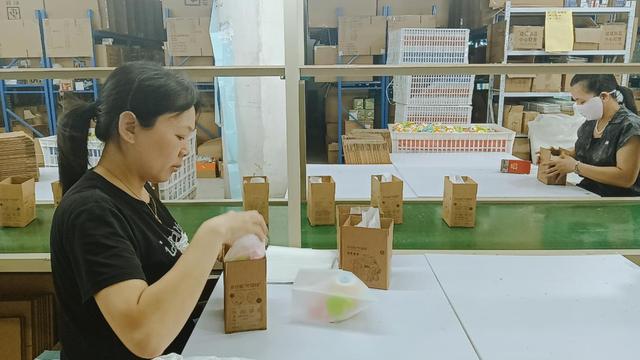
At Ebid Toy, quality and safety are at the heart of everything we do. Our modern manufacturing facilities are equipped with advanced production technologies and comprehensive quality control systems to ensure every product meets international safety standards and customer expectations. We carefully select environmentally friendly materials and conduct strict testing procedures to guarantee product durability and child safety.
As a trusted OEM and ODM educational toy factory in China, we provide one-stop customization services, including product design, mold development, packaging solutions, logo printing, and private label manufacturing. Our experienced R&D team continuously follows global educational trends and develops innovative products tailored to different markets and customer requirements.
Serving customers across North America, Europe, Southeast Asia, the Middle East, and other international markets, Hangzhou Ebid Toy Co., Ltd. has established long-term partnerships through superior quality, reliable service, and continuous innovation. Ebid Toy is dedicated to becoming your trusted partner for educational toys, delivering creative learning solutions that help children learn, explore, and grow through play.
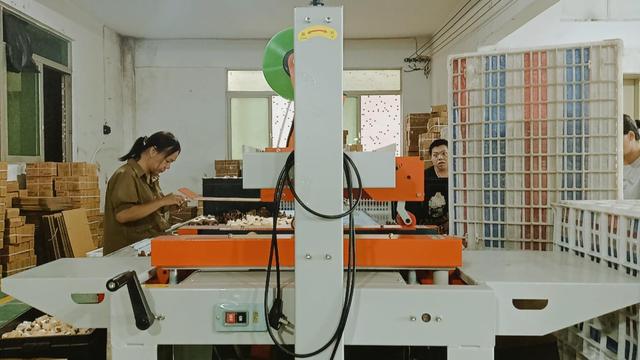
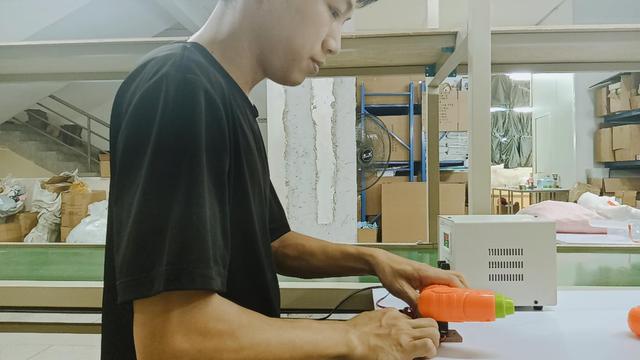
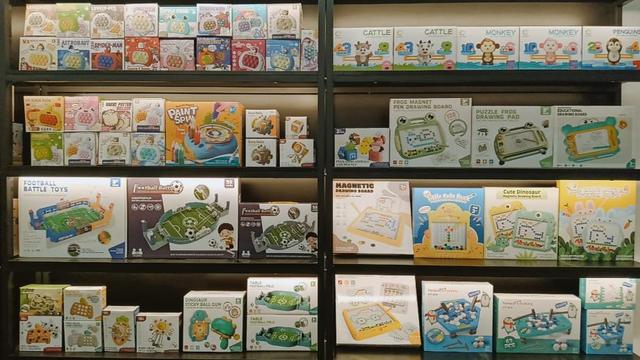
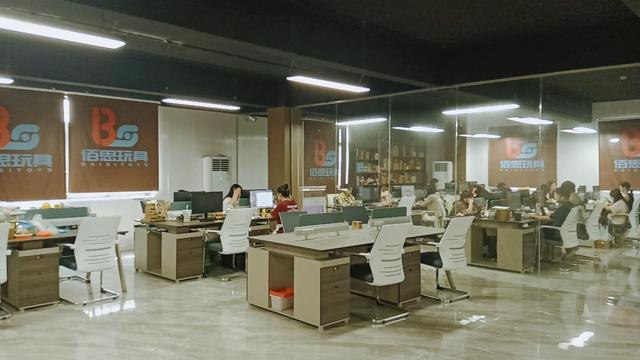
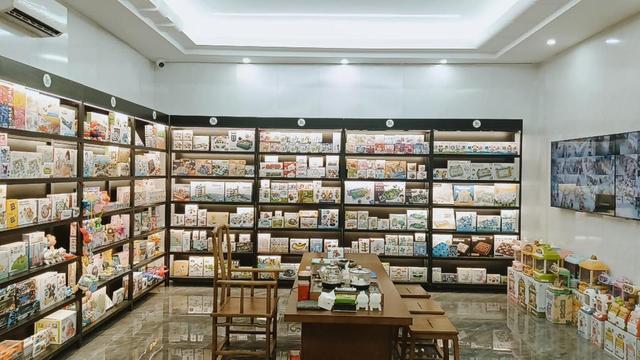
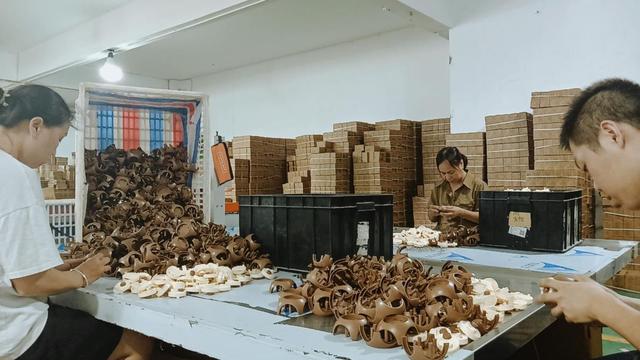
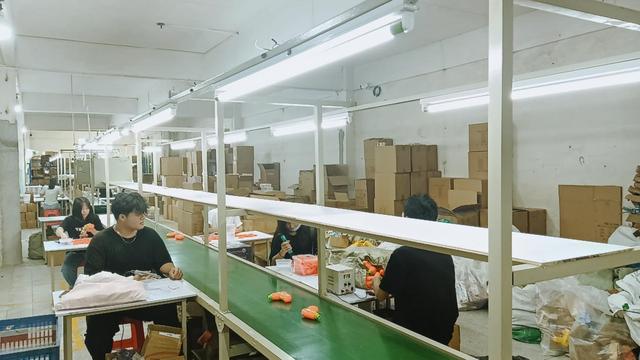
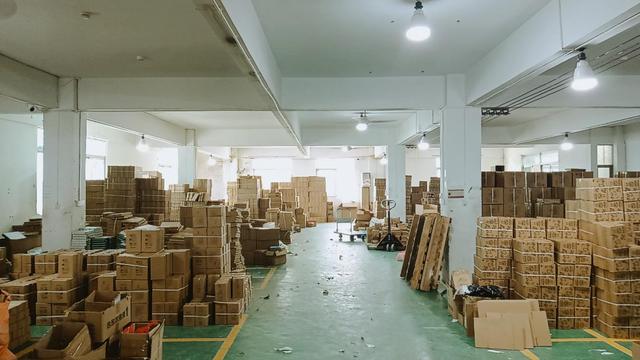
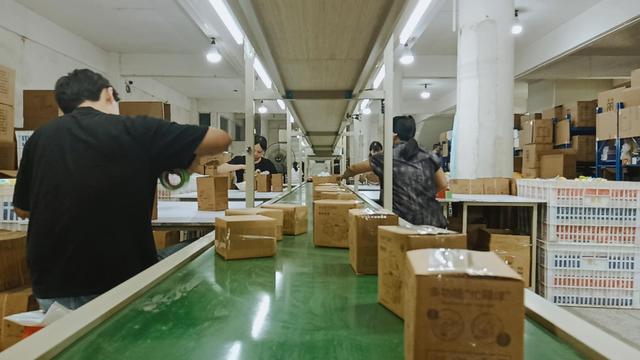
Our complete range of customizable educational kits, blocks, and digital learning modules.
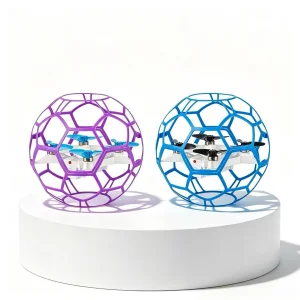
Nagoya High School Programmable RC Quadcopter Football Drone STEM Coding Flight for Kids Educational Learning and Technology Training View Product →
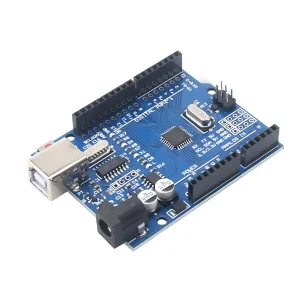
Looking toward 2030, educational technologies will integrate artificial intelligence and edge computing even more deeply. Coding toys will no longer be limited to static local programs; they will connect to cloud instances and implement real-world sensors to interact with their immediate physical environment. For the Nagoya market, this evolution aligns with Aichi Prefecture's regional initiatives for smart city developments and automated logistics systems. Future generations must understand sensor configurations, spatial coordination, and mesh networking to maintain industrial relevance. Our product roadmap includes development for next-generation Arduino and ESP32 kits that support voice synthesis, image recognition via small camera modules, and IoT-driven communication models.
A significant trend in Japan's retail and institutional sector is the transition to carbon-neutral materials. Our research and development department is actively designing and producing wooden toy ranges that use sustainable FSC-certified birch wood and bioplastics made from recycled agricultural fibers. By choosing non-toxic soy-based inks for all custom print runs and avoiding Single-Use Plastics (SUP) in outer packaging, we ensure our clients in Nagoya can display and distribute their products with a positive, eco-friendly reputation.
Find direct answers to shipping, safety certification, and design customizations for the Japanese educational market.
 Ebid Toy