Explore our cutting-edge manufacturing solutions designed to cultivate critical thinking, physics knowledge, and programming capabilities in children.
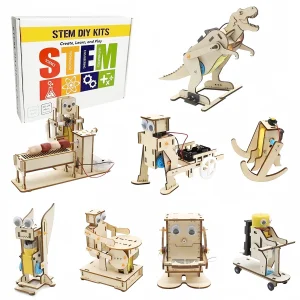
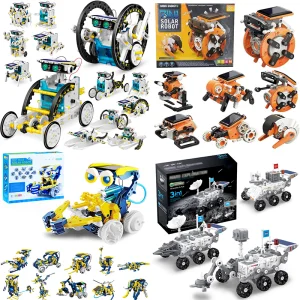
An authoritative industry briefing on the commercial growth, manufacturing paradigms, and geopolitical demands shaping modern STEM products.
The global market for science experiment toys is undergoing a major paradigm shift. Driven by governmental mandates promoting STEM (Science, Technology, Engineering, and Mathematics) curricula worldwide, educational institutions and commercial toy brands are reporting historic volumes of demand. In the United States, Europe, and Northeast Asia, parents and educators are pivoting away from passive consumption toys toward interactive, open-ended kits that challenge cognitive capabilities. The demand is no longer restricted to traditional chemistry flasks and basic microscopes; it has expanded to include intelligent programming blocks, medical-grade anatomical simulators, and new energy modules.
As primary manufacturers, the structural supply chain is shifting toward sustainable sourcing. High-quality natural timber, biodegradable polymers, and biocompatible medical-grade silicones are becoming the standard raw materials for reputable exporters. Global compliance structures, such as ASTM F963 (USA), EN71 (Europe), and CE certifications, are mandatory thresholds rather than luxury badges. Manufacturers must demonstrate total trace integrity from chemical sourcing to product drop-testing to win procurement contracts from international retail chains and governmental school boards.
Four prominent trends are shaping the design boards of major manufacturers:
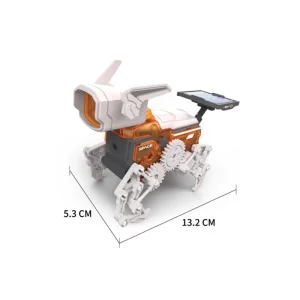
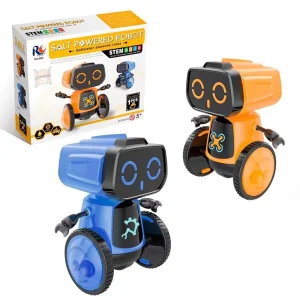
A. Hybridization of Cyber-Physical Learning: The integration of micro-controllers and software interfaces with physical building components. Modern science kits must bridge the gap between concrete sensory assembly and digital logic programming. For instance, new energy programming space robots allow students to visually organize blocks of code while physically assembling gears, steering servos, and solar collectors.
B. Focus on Sustainable Energy & Biophysics: Traditional alkaline battery packs are quickly losing market share to alternative power sources. Modern B2B buyers require kits operating on solar energy, salt-water mechanical cells, and hand-crank electromagnetic generators. This does not only fulfill carbon reduction regulations but also educates students on sustainable technology pipelines directly through hands-on play.
How global distributors and educational agencies integrate our science toys into diverse markets and physical structures.
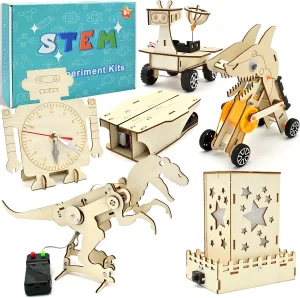
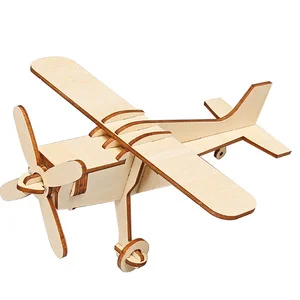
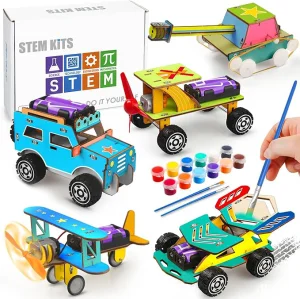
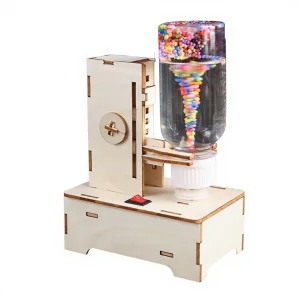
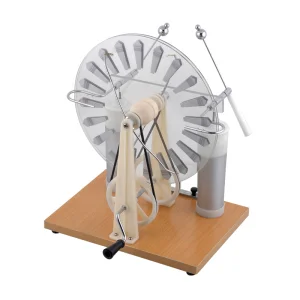
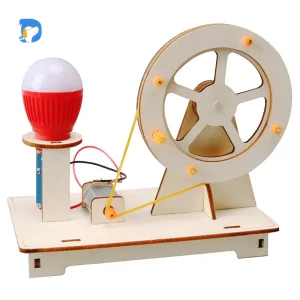
Institutional buyers implement modular wooden model kits, electrostatic generators, and water vortex simulators for practical classroom demonstrations. Built to be robust enough for multi-student reuse, these items align directly with Next Generation Science Standards (NGSS) curricula.
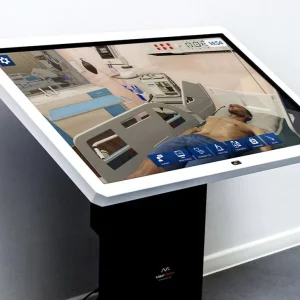
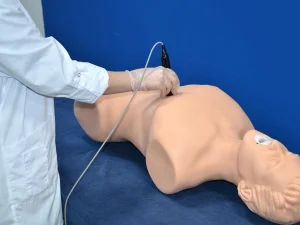
Advanced silicone anatomical simulation panels and VR-integrated touch tables are deployed in nursing universities, vocational academies, and hospital prep clinics to train personnel without relying solely on expensive, high-maintenance organic specimens.
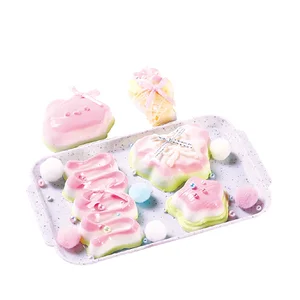
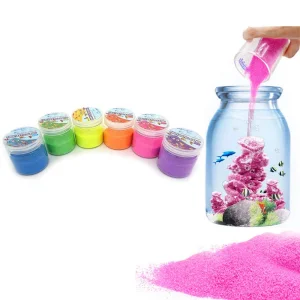
For toy importers, white-label retailers, and private Amazon brands, custom packaged STEM kits (like non-dissolving magic sand or customized slime workshops) provide exceptional margin options with visual appeal that converts buyers through short-form video demonstration.
Our commitment to continuous innovation guarantees that our global OEM/ODM partners stay ahead of educational and retail curves.
Integrating carbon-neutral production, high-tolerance laser cutting, and toxicological safety profiles across all wooden physics kits. Guaranteed splinter-free, non-glue structures designed for effortless classroom assembly.
Developing low-friction solar panels, salt-water galvanic cells, and modular wireless Bluetooth/Wi-Fi chips capable of communicating with open-source visual programming languages like Scratch and Python.
Building companion application software that overlays simulated magnetic field lines, airflow vector arrows, and electronic currents directly onto physical toys through iOS/Android camera views.
From design blueprint to container logistics, we cover all operational touchpoints to guarantee seamless global delivery.
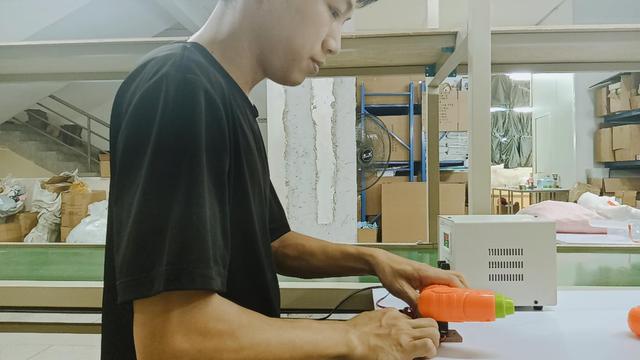
Have a unique design? Our injection molding facility, wooden stamping machinery, and electronic circuit designers create proprietary products under strict NDA agreements.
All processes undergo pre-production material spectroscopy, in-line robotic inspection, and post-assembly tension, chemical safety, and durability testing before shipment.
We facilitate shipping containers globally, handling custom declarations, maritime documentation, and local warehouse dropshipping integrations.
A Premier Manufacturing Facility Dedicated to Safety, Quality, and STEM Educational Innovation.
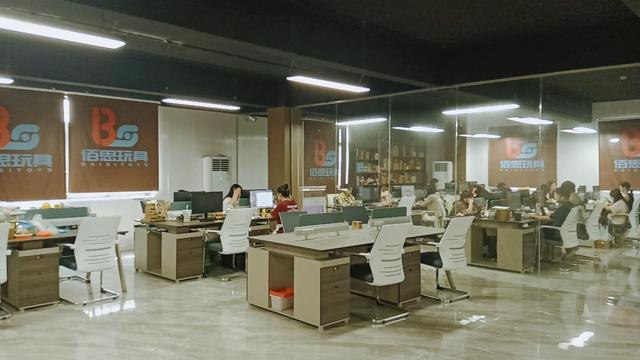
Hangzhou Ebid Toy Co., Ltd. is a leading China educational toys manufacturer specializing in the design, development, and production of STEM, Montessori, and early learning toy solutions. With years of experience in the children's educational products industry, Ebid Toy is committed to creating innovative, safe, and engaging toys that inspire creativity, learning, and cognitive development for children around the world.
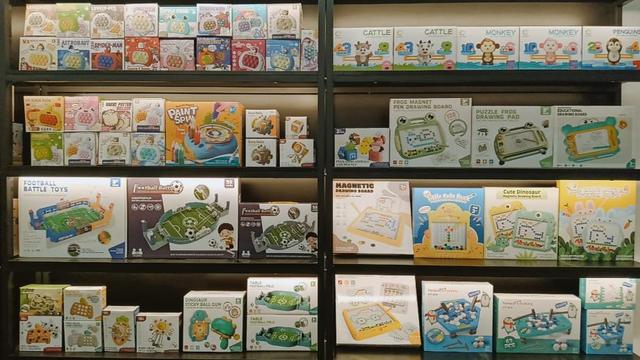
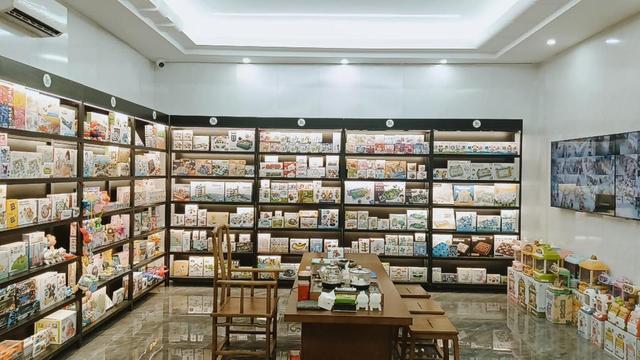
Our extensive product portfolio includes STEM educational toys, Montessori learning toys, wooden educational toys, puzzles, building blocks, sensory toys, science experiment kits, interactive learning games, and early childhood development products. Designed to combine fun with education, our products help children improve problem-solving abilities, motor skills, logical thinking, creativity, and social interaction.
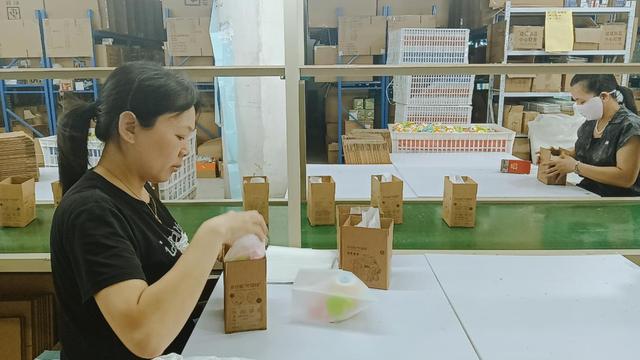
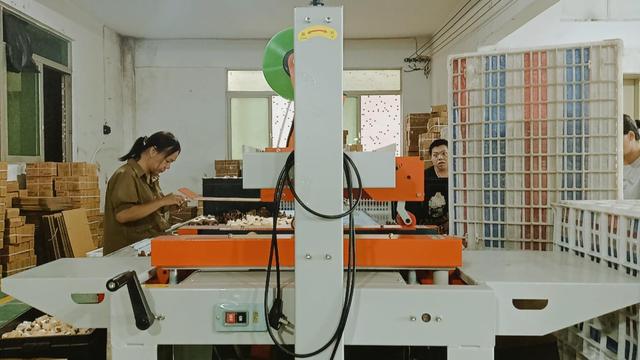
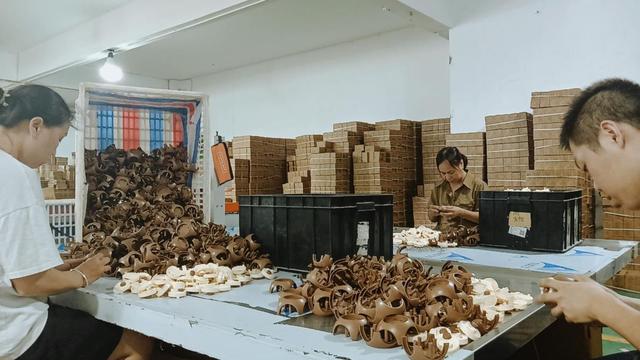
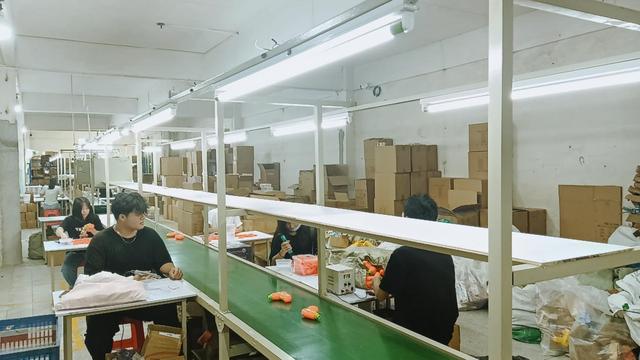
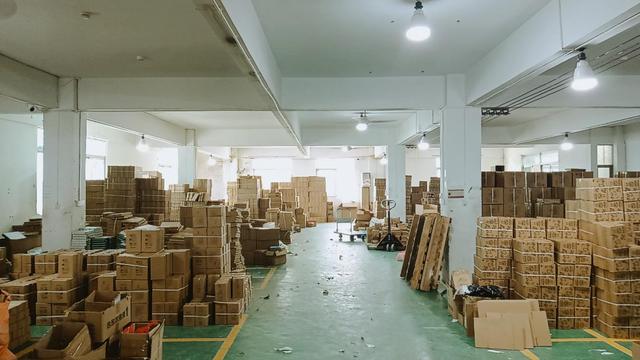
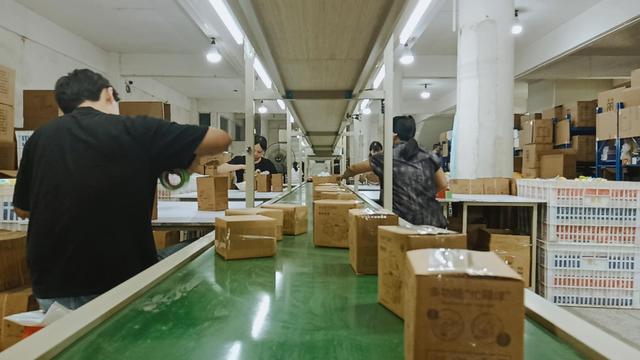
At Ebid Toy, quality and safety are at the heart of everything we do. Our modern manufacturing facilities are equipped with advanced production technologies and comprehensive quality control systems to ensure every product meets international safety standards and customer expectations. We carefully select environmentally friendly materials and conduct strict testing procedures to guarantee product durability and child safety.
As a trusted OEM and ODM educational toy factory in China, we provide one-stop customization services, including product design, mold development, packaging solutions, logo printing, and private label manufacturing. Our experienced R&D team continuously follows global educational trends and develops innovative products tailored to different markets and customer requirements.
Serving customers across North America, Europe, Southeast Asia, the Middle East, and other international markets, Hangzhou Ebid Toy Co., Ltd. has established long-term partnerships through superior quality, reliable service, and continuous innovation. Ebid Toy is dedicated to becoming your trusted partner for educational toys, delivering creative learning solutions that help children learn, explore, and grow through play.
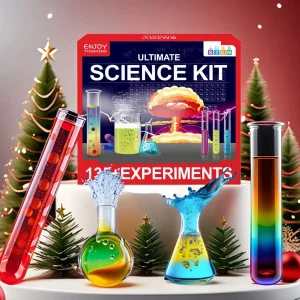
Discover educational kits designed for advanced physical laboratories, sensory stimulation programs, and clinical practice models.
Get professional clarification regarding global sourcing, custom engineering parameters, and product distribution certifications.
 Ebid Toy