Explore our premium grade social studies and developmental tools engineered for classrooms, play spaces, and homes worldwide.
An in-depth look at global educational frameworks and the growing commercial demand for cognitive development tools.
In the rapidly evolving landscape of modern childhood education, Social Studies Educational Toys have transitioned from optional playroom novelties to critical developmental assets. As schools globally pivot from standardized, test-centric methodologies to holistic, interactive learning frameworks, the toy manufacturing industry is witnessing an unprecedented convergence of cognitive science, social anthropology, and technology. Under the guidelines of international curricula, including the US National Council for the Social Studies (NCSS) and the European Early Years Foundation Stage (EYFS), classrooms now actively demand tools that teach self-regulation, empathy, community dynamics, and socio-economic systems through play.
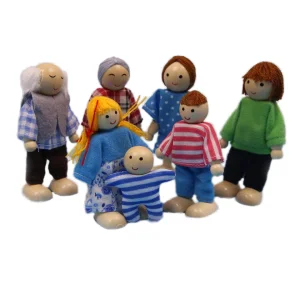
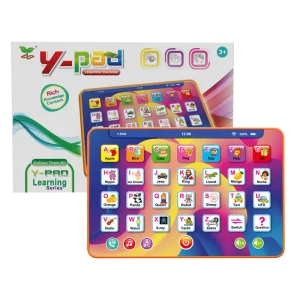
Historically, educational play was divided cleanly into STEM (Science, Technology, Engineering, Math) and traditional open-ended arts. Today’s market demands a synthesized approach. Manufacturers are tasked with developing toys that address human geography, civic responsibility, cultural literacy, and spatial awareness. For instance, adjustable joint family dolls, modular communities, and smart geographic tablets allow children to construct miniature social structures, navigate personal interactions, and explore global concepts in tangible formats. This approach helps reduce cognitive load, transforming abstract social models into comprehensible physical interactions.
B2B buyers, educational institutional suppliers, and international retailers are adjusting their catalog mixes to respond to parenting shifts. Millennials and Gen Z parents prioritize Emotional Intelligence (EQ) alongside Intellectual Intelligence (IQ). This dynamic has significantly accelerated the demand for physical roleplay toys, adjustable family puppet systems, and collaborative games. By actively engaging with tactile toys, children learn critical cooperative concepts, conflict resolution, and community hierarchies.
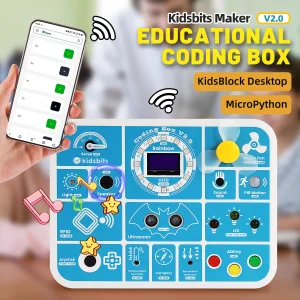
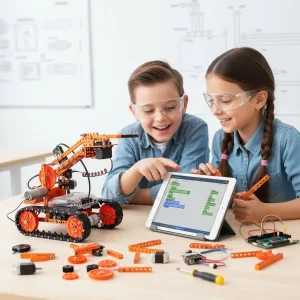
Furthermore, digital overload has driven parents back toward physical sensory products. Wood, high-grade silicon, and tactile, high-precision alloys are preferred materials because they ground digital experiences in sensory feedback. Global importers are looking for reliable China-based partners who can combine high-precision physical manufacturing with digital capabilities like RFID and ESP-32 coding systems to bridge the physical-digital divide.
Unpacking the supply chain efficiencies, technological integrations, and material compliance that make Chinese manufacturers global leaders.
China's prominence as the premier global manufacturer of educational toys is supported by consolidated industrial clusters, vertical supply-chain integration, and highly specialized logistics networks. Zhejiang and Guangdong provinces feature complete manufacturing ecosystems where wood sourcing, CNC metal milling, electronic component production, and plastic molding occur within a small geographic radius. This minimizes logistics friction and supports responsive manufacturing timelines.
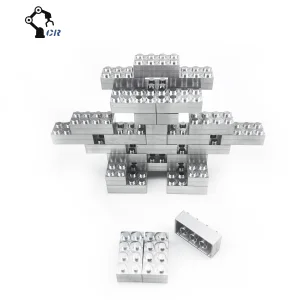
High-precision tooling allows China factories to produce complex structures, such as customized aluminum alloy building blocks and high-durability joint dolls with tight engineering tolerances.
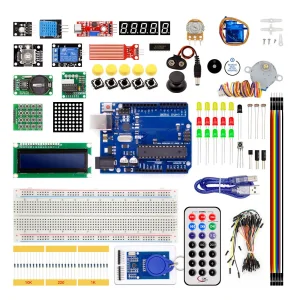
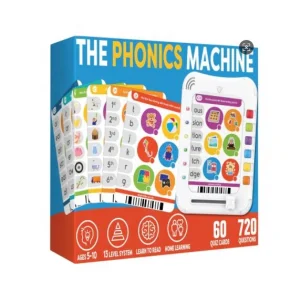
With immediate access to major semiconductor markets, China factories can efficiently build interactive platforms utilizing RFID technology, point-reading components, and micro-controllers like Arduino.
Leading exporters implement strict material control, ensuring all paints, plastics, and metals comply with RoHS, REACH, ASTM F963, and EN71 safety requirements.
For global sourcing managers, this ecosystem offers significant advantages in Time-to-Market (TTM) and prototype development. While manufacturing settings in other regions may struggle with slow sub-component sourcing, Chinese factories can prototype, safety-test, and mass-produce multi-material kits (such as wood-plastic hybrids or smart devices) within highly compressed timelines.
A trusted B2B partner for high-compliance, innovative STEM, Montessori, and Social-Emotional learning solutions.
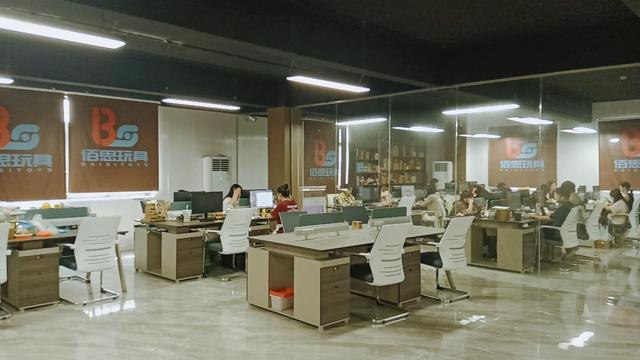
Hangzhou Ebid Toy Co., Ltd. is a leading China educational toys manufacturer specializing in the design, development, and production of STEM, Montessori, and early learning toy solutions. With years of experience in the children's educational products industry, Ebid Toy is committed to creating innovative, safe, and engaging toys that inspire creativity, learning, and cognitive development for children around the world.
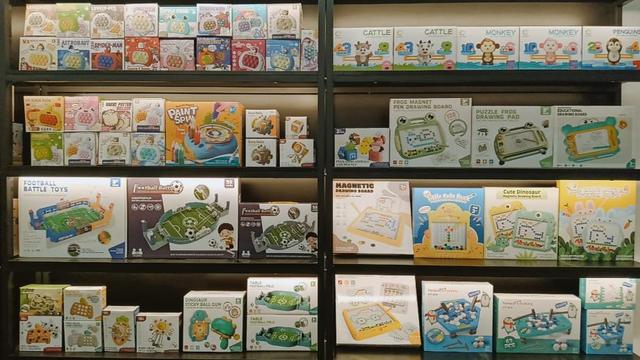
Our extensive product portfolio includes STEM educational toys, Montessori learning toys, wooden educational toys, puzzles, building blocks, sensory toys, science experiment kits, interactive learning games, and early childhood development products. Designed to combine fun with education, our products help children improve problem-solving abilities, motor skills, logical thinking, creativity, and social interaction.
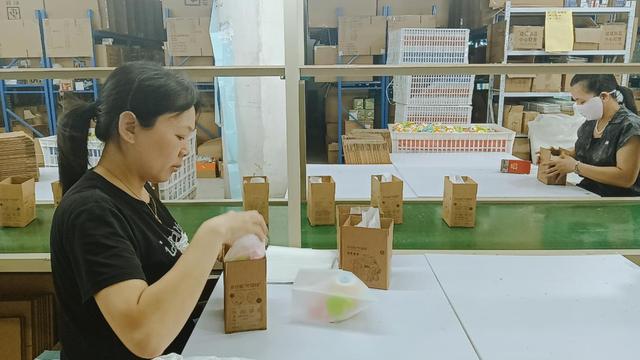
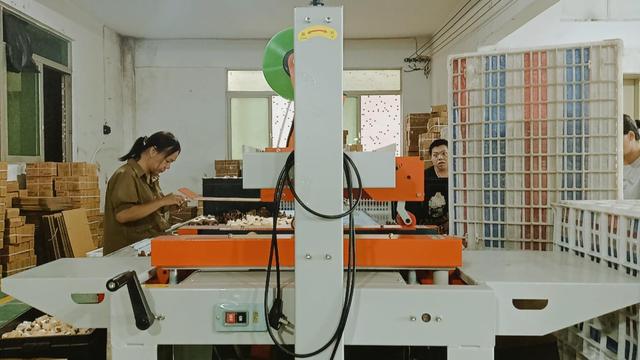
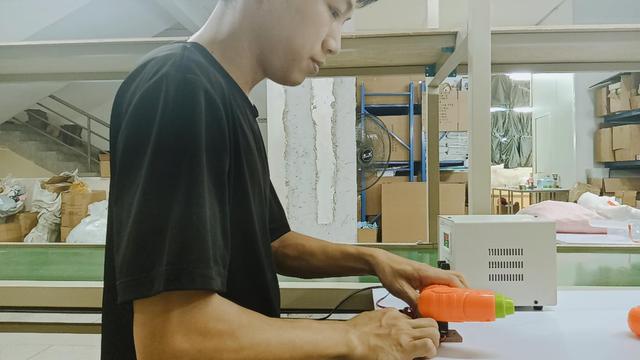
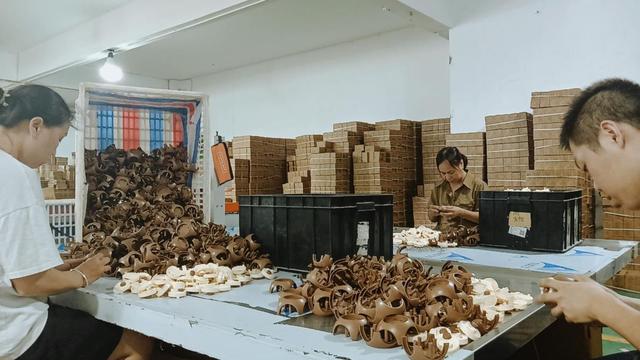
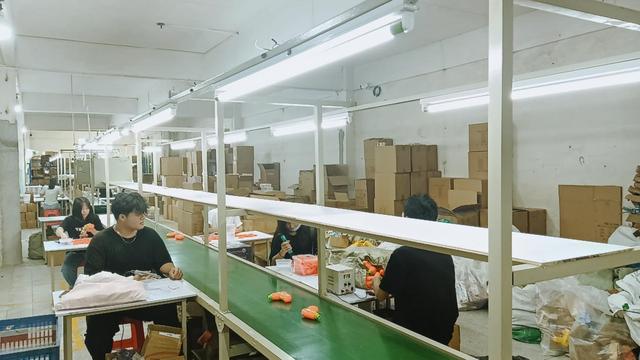
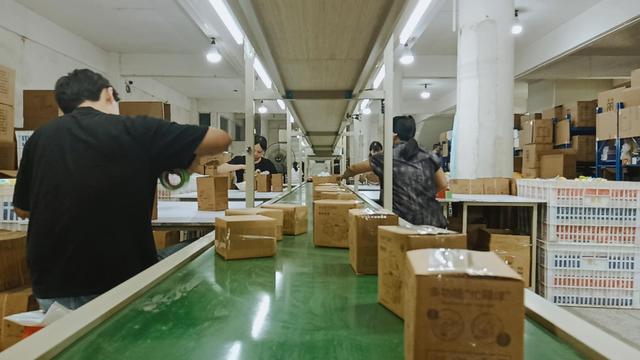
At Ebid Toy, quality and safety are at the heart of everything we do. Our modern manufacturing facilities are equipped with advanced production technologies and comprehensive quality control systems to ensure every product meets international safety standards and customer expectations. We carefully select environmentally friendly materials and conduct strict testing procedures to guarantee product durability and child safety.
As a trusted OEM and ODM educational toy factory in China, we provide one-stop customization services, including product design, mold development, packaging solutions, logo printing, and private label manufacturing. Our experienced R&D team continuously follows global educational trends and develops innovative products tailored to different markets and customer requirements.
Serving customers across North America, Europe, Southeast Asia, the Middle East, and other international markets, Hangzhou Ebid Toy Co., Ltd. has established long-term partnerships through superior quality, reliable service, and continuous innovation. Ebid Toy is dedicated to becoming your trusted partner for educational toys, delivering creative learning solutions that help children learn, explore, and grow through play.


Analyzing how different global educational institutions and settings utilize specialized social studies and cognitive toys.
Understanding how educational tools function within different markets is essential for global distributors. Depending on regional standards, social studies toys are integrated into different learning environments.
Key developments shaping the next generation of social studies and developmental learning tools.
The global educational toy sector is evolving in response to changing environmental standards, technological integration, and safety requirements.
Sustainability is a core focus for modern educational institutions. Global importers are prioritizing products made from FSC-certified wood, bio-resins, and recyclable alloys. Sustainable manufacturing practices reduce environmental footprint while ensuring toys are safe and free from toxic additives.
While tactile wood remains highly valued, the integration of low-cost, smart components (such as point-reading technology and simplified coding modules) is expanding. These hybrids bridge the gap between screen time and physical play, helping children develop technical literacy alongside motor skills.
Global distributors require customizable product lines to adapt to different linguistic and regional requirements. Developing modular, customizable designs allows brands to localize products efficiently, adapting to different educational guidelines without requiring completely new manufacturing runs.
Key considerations for B2B procurement professionals when evaluating Chinese educational toy suppliers.
Sourcing educational toys internationally requires managing complex regulatory, logistical, and design parameters. To maintain supply chain resilience and product safety, sourcing managers should evaluate key parameters:
High-precision designs matching strict global safety requirements and early-development standards.
Find answers to common questions about customization, compliance, production timelines, and logistics.
 Ebid Toy