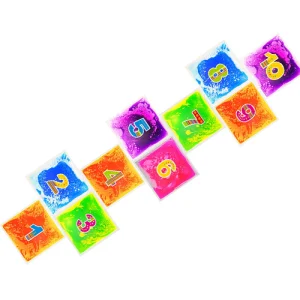
The Metropolitan Administration of Bangkok (BMA) along with Thailand's Ministry of Education has undergone significant curriculum restructuring over the past five years. There is an increasing realization that didactic, rote-learning models fail to foster critical 21st-century skills. In Bangkok's highly competitive private, international, and bilingual school networks (such as those clustered in Sukhumvit, Sathorn, and Bang Na), sensory-based teaching frameworks have transitioned from optional supplementary aids to core pedagogical requirements.
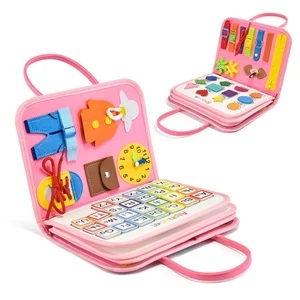
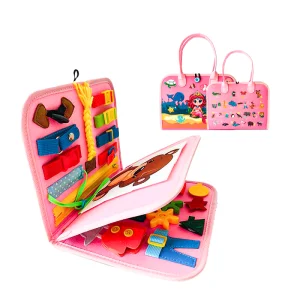
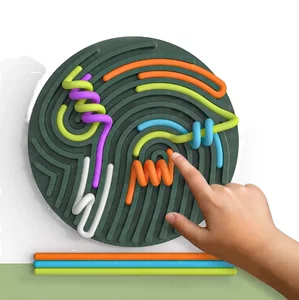
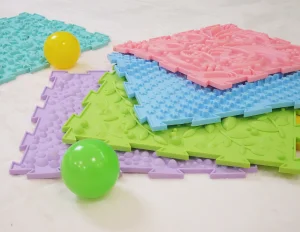
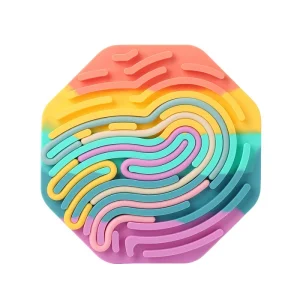
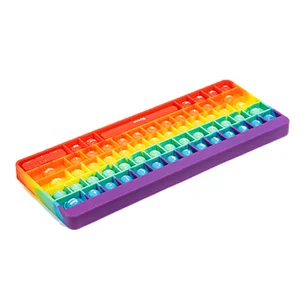
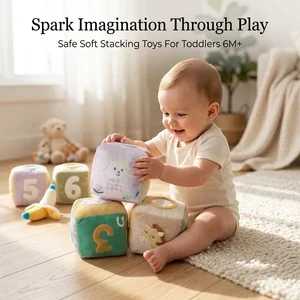
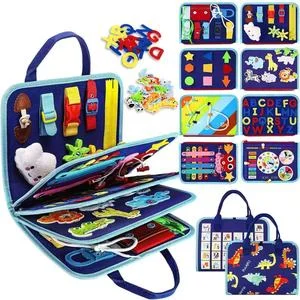
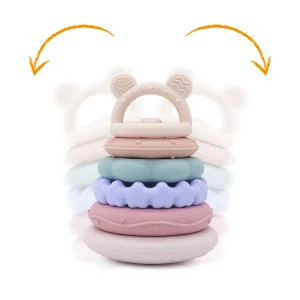
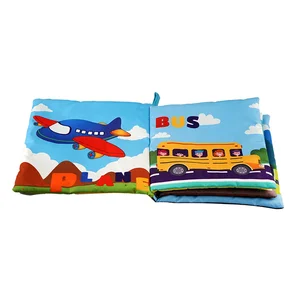
Sensory learning toys—ranging from liquid floor tiles that simulate spatial dynamics to intricate felt busy books and silicone sensory tactile boards—are critical tools designed to activate multiple sensory pathways. By engaging tactile, visual, auditory, and kinesthetic receptors, these tools support neural pathway construction, fine motor refinement, and cognitive structure development in children aged 0 to 8 years.
This pedagogical pivot has triggered an unprecedented surge in demand across Thailand’s supply chain. Bangkok, serving as the commercial and logistical gateway for Indo-China, is witnessing high-volume procurement of educational toys by local distributors, private preschool franchises, and international school procurement teams. However, the local production of high-grade sensory equipment remains limited in scale, prompting a major shift towards strategic importing partnerships.
Bangkok boasts over 150 elite international schools utilizing British, American, and IB curriculum frameworks, all requiring certified pedagogical play materials.
Clinical pediatric therapy practices and inclusive classrooms are scaling up setups for neurodiverse children (ADHD, Autism) in major Bangkok healthcare facilities.
Compliance under TIS 685-2540 (Thailand Industrial Standards) has become stricter, demanding heavy-metal free, non-toxic raw material certifications.
For Bangkok-based educational toy exporters, wholesalers, and retail brand owners, establishing a direct pipeline with an established Chinese factory offers undeniable structural advantages. Global supply chain metrics show that China maintains the most integrated industrial ecosystem for toy development.
Hangzhou Ebid Toy Co., Ltd. stands at the forefront of this industrial capability. Specialized in early learning solutions, STEM systems, and Montessori-compliant sensory equipment, Ebid Toy offers critical supply chain advantages:
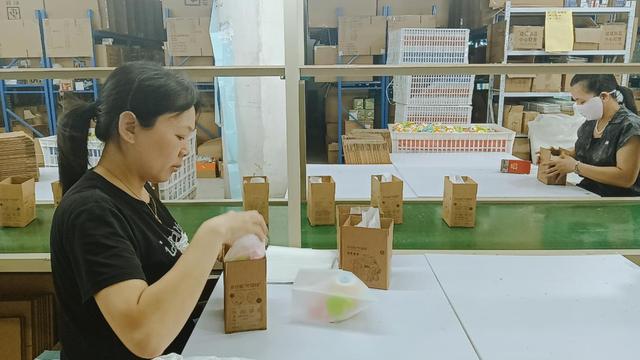
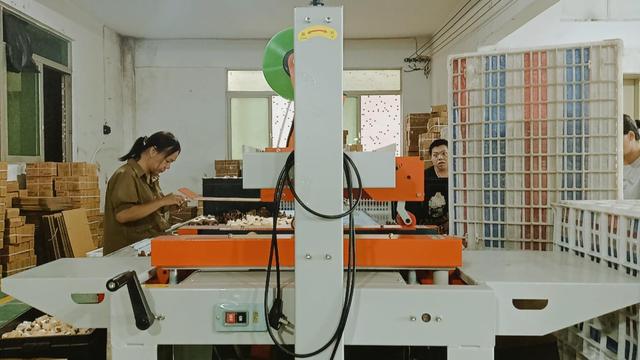
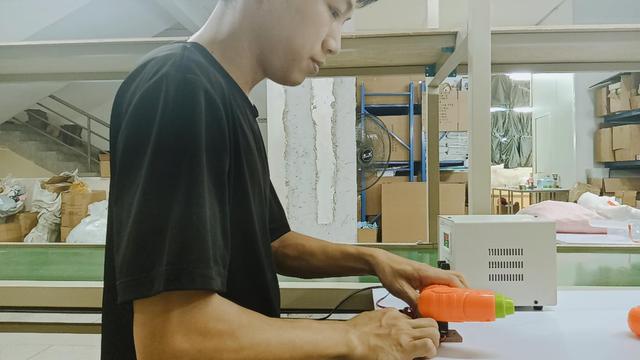
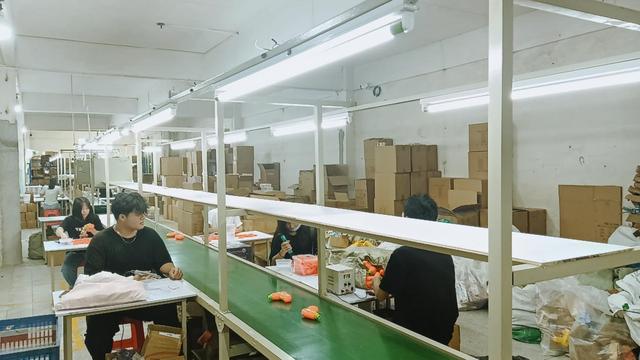
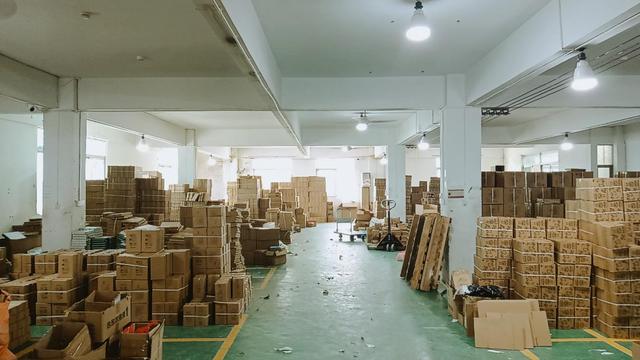
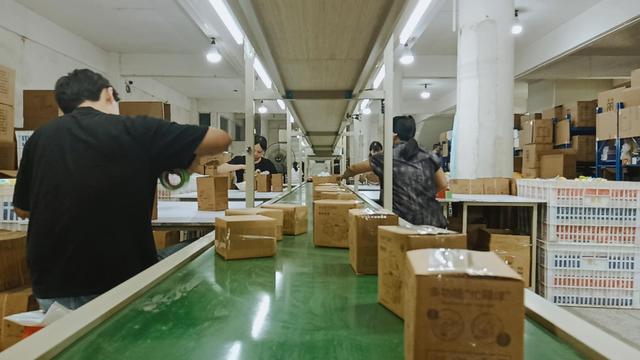
A transparent view inside Hangzhou Ebid Toy Co., Ltd., demonstrating E-E-A-T manufacturing compliance, dust-free assembly lines, and high-efficiency material processing.
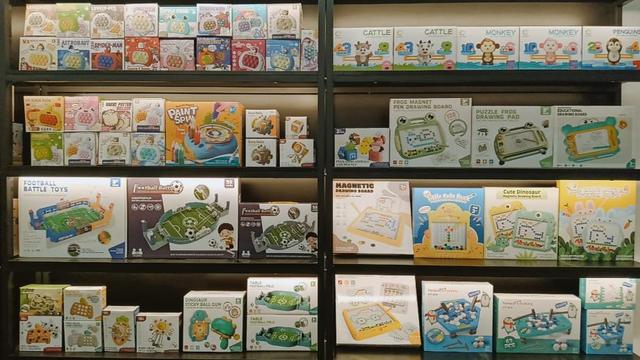
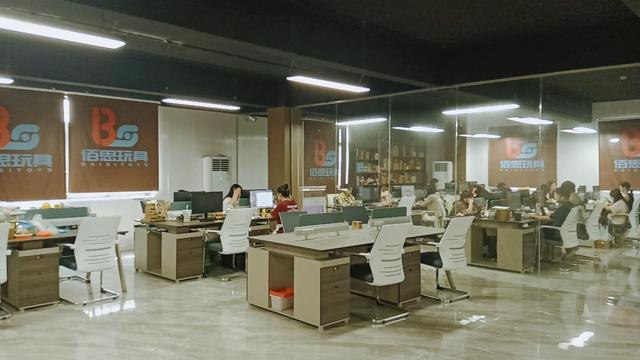
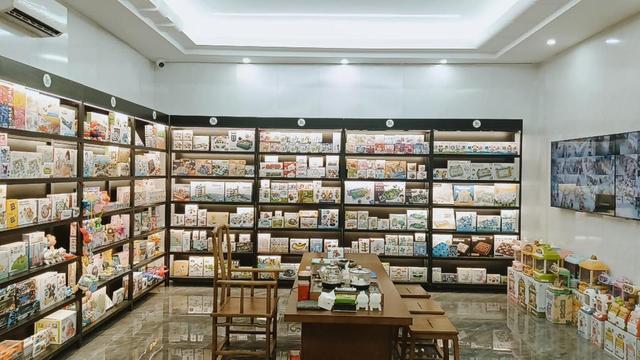
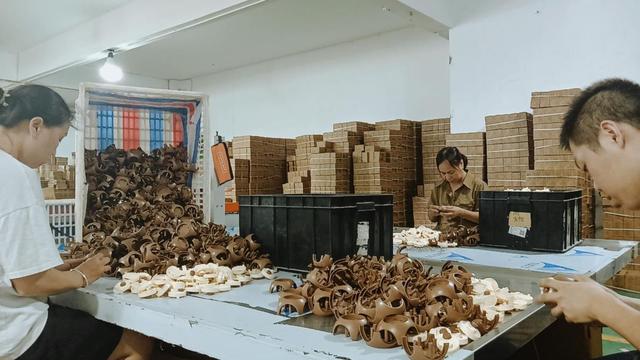
Modern child development research has entered the "Neuro-Pedagogy Era." Industry analytics reveal several major developmental shifts:
The shift from cheap petrochemical plastics to biocompatible organic compounds is non-negotiable. Modern procurement agents actively seek medical-grade silicone that resists bacterial growth, making them ideal for high-contact environments. Felt materials are also seeing a change; high-density, double-needle wool-blend felts resist fuzzing and tearing, making them highly durable.
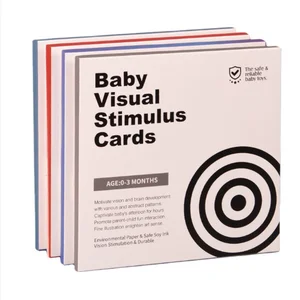
Classrooms are integrating specialized tools for children with Autism Spectrum Disorder (ASD), sensory integration deficits, and ADHD. Toys incorporating calming auditory feedback, targeted tactile pressure, and visual tracking elements are now standardized tools for early behavioral intervention.
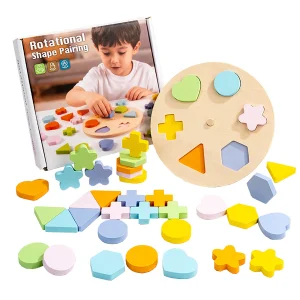
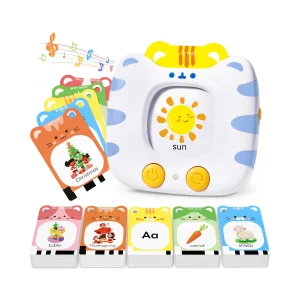
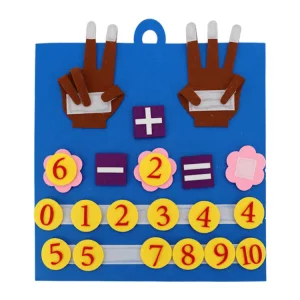
The modern market demands toys that combine sensory stimulation with cognitive, logical-mathematical development. Fidget elements are now designed to teach numeracy, alphabetization, and logical sorting, providing a multi-tiered learning experience.
For bulk importers, understanding where these items are utilized locally is key to optimization. In Bangkok, sensory toys are deployed across three major segments:
From early nurseries in Phrom Phong to campuses in Min Buri, busy boards and Montessori counting toys are standard features in foundational Early Years classrooms.
Elite private hospitals in Bangkok employ liquid floor tiles and tactile busy books in rehabilitation rooms to support motor recovery and sensory integration therapy.
Siam Paragon, CentralWorld, and luxury kid cafés in Thonglor actively stock high-end felt books and silicone fidget boards to meet the demands of discerning parents.
Importing commercial volumes of sensory toys into Thailand requires a clear understanding of regulatory and logistical processes. Hangzhou Ebid Toy Co., Ltd. provides a smooth, end-to-end import experience:
Thailand’s TIS 685-2540 standard requires strict testing for lead, heavy metals, and physical safety (choking hazards). We provide full chemical material reports, EN71 test certificates, and physical testing documentation to help your import agent fast-track certifications.
By utilizing Form E (ASEAN-China Free Trade Certificate of Origin), Bangkok-based importers can significantly reduce or eliminate import tariffs on educational toys, helping you maintain a strong competitive margin.
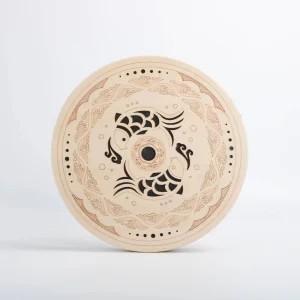
To support both large-scale distributors and specialized retail chains, we offer flexible shipment options. You can consolidate multiple product lines—silicone items, felt books, and wooden toys—into a single container, maximizing container space and reducing overhead costs.
Maximize your competitive edge in the Bangkok educational market. Contact Hangzhou Ebid Toy Co., Ltd. today to discuss custom manufacturing, bulk pricing, and secure compliance logistics.
Send Inquiry Now Ebid Toy