High-frequency learning materials engineered for resilience, sensory integration, and safety in early education settings.
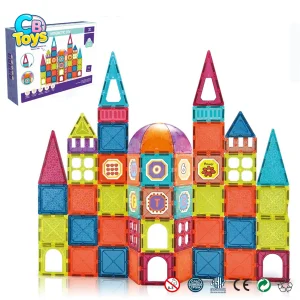
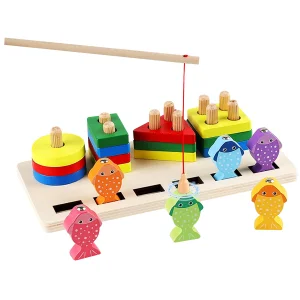
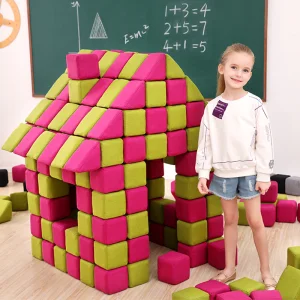
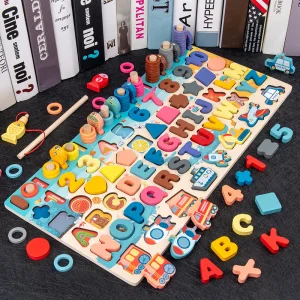
The landscape of preschool education in South Africa is undergoing a profound structural evolution. With the official migration of Early Childhood Development (ECD) governance from the Department of Social Development (DSD) to the Department of Basic Education (DBE), there is a heightened emphasis on formalizing learning environments. The curriculum frameworks for infants and toddlers up to age 4 now mandate structured, play-based sensory and cognitive development. This policy pivot has drastically increased the demand for certified, durable, and highly educational learning aids.
For educational toy importers, wholesale distributors, school groups, and NGOs operating within the South African Development Community (SADC), purchasing inventory involves navigating a dual-market economic reality. The premium private preparatory sector—comprising independent schools in economic hubs like Sandton, Constantia, and Umhlanga—demands advanced, high-aesthetic Montessori equipment and STEM integration kits. Conversely, the public sector and underfunded community-based ECD centers require highly durable, cost-effective, and washable toys capable of withstanding high-frequency, multi-child environments.
Furthermore, domestic manufacturing of early learning toys within South Africa remains constrained by high raw material costs (specifically FSC-certified beechwood and specialized polymers) and localized production capacity limits. Consequently, major educational suppliers in Cape Town, Johannesburg, and Durban rely heavily on strategic manufacturing partners in global export hubs like China. The critical challenge lies in aligning overseas production lines with South Africa's specific safety mandates and logistical timelines.
Educational products cannot merely be designed in isolation; they must adapt seamlessly to the physical, environmental, and linguistic parameters of local classrooms. In South Africa, our product design processes account for several unique localized applications:
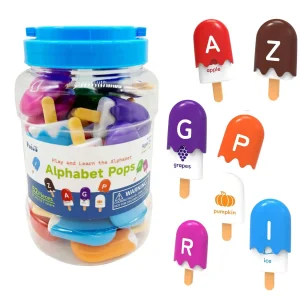
With 12 official languages recognized in South Africa, early childhood centers are shifting toward multilingual immersion models. Traditional alphabet toys must be flexible enough to accommodate various phonetic frameworks. Our customizable spelling and letter-matching systems allow importers to specify non-English characters or bilingual configurations, ensuring that Zulu, Xhosa, Afrikaans, and Sotho language pathways can be integrated into play-based tools.
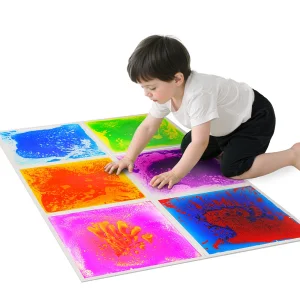
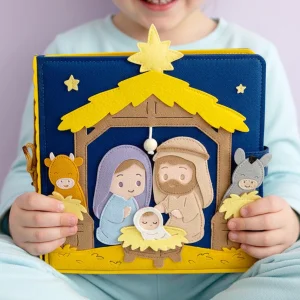
Inclusive education is a priority under the DBE's whitepapers. There is a growing awareness of Autism Spectrum Disorder (ASD) and sensory processing challenges in South African schools. Sensory integration training toys—such as liquid gel floor tiles, sensory basins, and tactile busy boards—are deployed in both mainstream pre-primary classrooms and specialized therapy centers across the Western Cape and Gauteng. These items provide necessary calming, spatial awareness, and motor-skills development tools.
Given South Africa's high-UV index and warmer climate zones, preschool facilities frequently cycle activities between indoor play areas and outdoor shaded courtyards. Educational equipment must resist fading, cracking, and degradation when exposed to sunshine and temperature fluctuations. We utilize high-stability, non-toxic UV stabilizers in our ABS plastic lines and specialized sealants on our wooden collections to double the operational lifecycle of toys under local conditions.
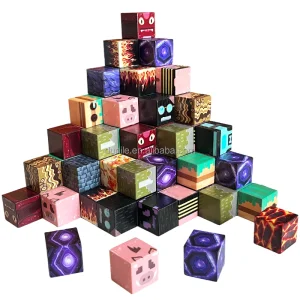
Curated kits designed to bridge concrete spatial skills with early language acquisition in South African pre-primary academies.
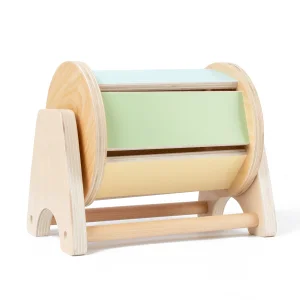
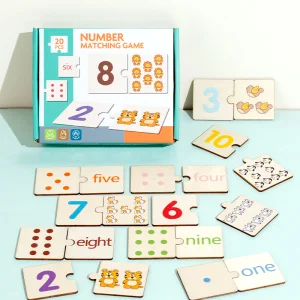
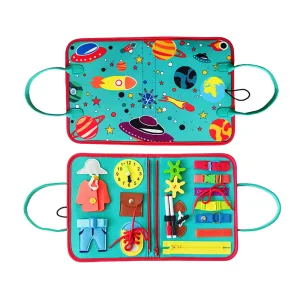
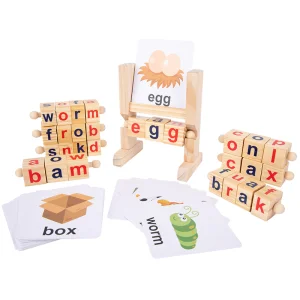
Building a reliable import pipeline requires deep technical and logistical cooperation. Hangzhou Ebid Toy Co., Ltd. stands as a premier China-based educational toys manufacturer, offering specialized OEM/ODM capabilities designed to mitigate the risks commonly faced by South African buyers. The core of our competitive advantage is rooted in a vertical integration model, combining research and development, physical prototyping, rigorous testing, and optimized export logistics.
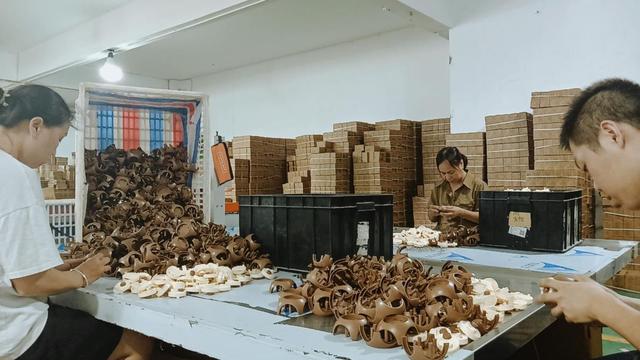
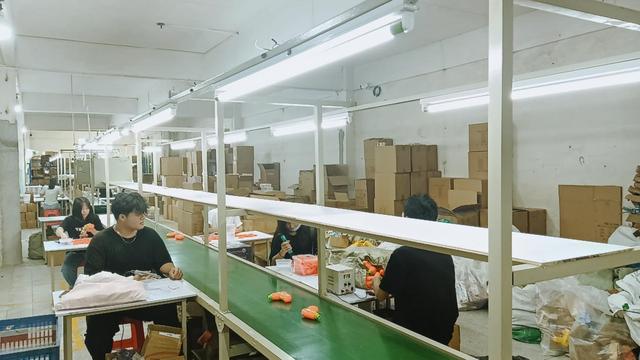
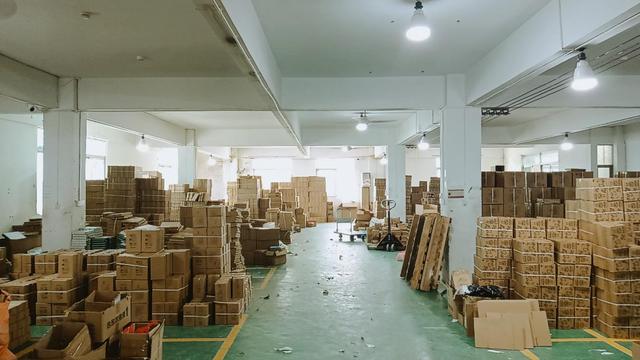
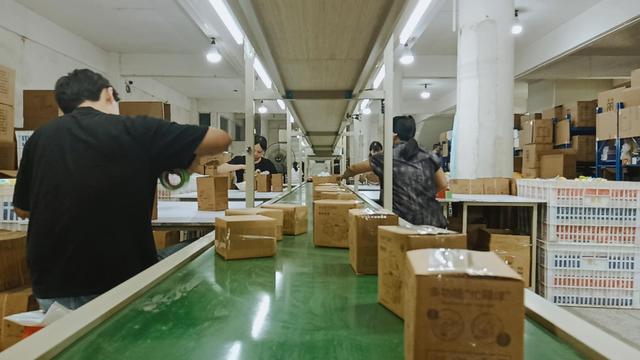
From our modern manufacturing facilities, we run advanced production technologies, including high-precision injection molding machines for non-toxic ABS materials, CNC wood-routing units for splinter-free Montessori products, and dust-free packaging assembly lines. Because we control the manufacturing process from raw material acquisition to final container packing, we can offer flexible MOQ structures, customized private-label options, and stable lead times that align with South African academic buying cycles (particularly peak provisioning in Q3 and Q4 ahead of the new school year starting in January).
For B2B partners in Durban, Johannesburg, and Cape Town, freight consolidation is a vital factor in cost control. Ebid Toy works closely with leading ocean freight lines and customs clearing agents to coordinate standard container loading (FCL) and less-than-container-load (LCL) shipments from ports in Ningbo and Shanghai directly to South African ports of entry. We prepare comprehensive import-clearing documents, including certified bills of lading, phytosanitary certificates for wood products, and conformity declaration sheets, minimizing the potential for port delays.
When catering to the early childhood sector, product safety and material purity are paramount. The regulatory framework in South Africa aligns with the national toy safety standard SANS 50071 (which largely mirrors the European EN71 guidelines). Compliance is strictly enforced by customs officials and major retail groups. Failure to meet these criteria can lead to immediate shipment seizures and brand damage.
To ensure our products pass South African National Standards testing, Hangzhou Ebid Toy Co., Ltd. implements a multi-step quality control system:
Our factory carries certifications such as ISO 9001, CE, and EN71, which can be quickly submitted to South African importing agencies to streamline customs processing and retail compliance approvals.
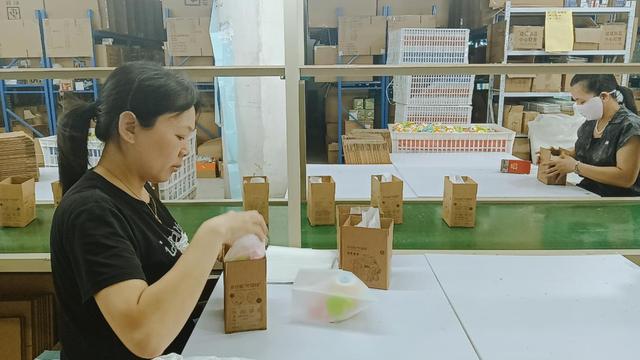
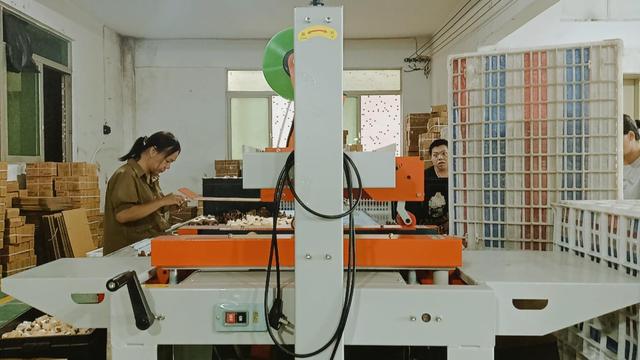
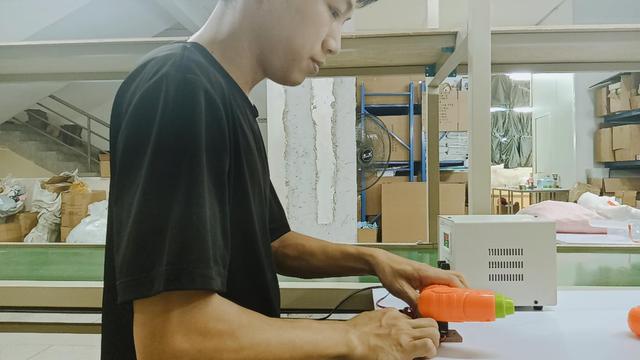
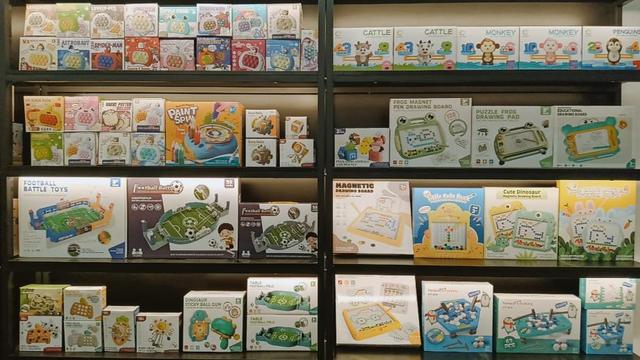
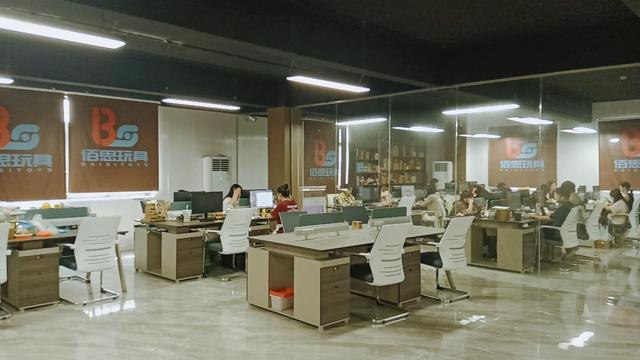
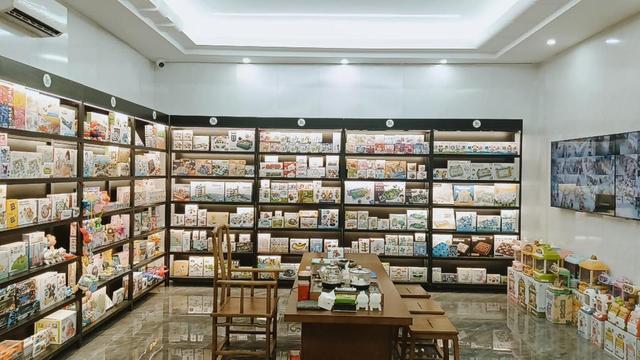
Inside our state-of-the-art production lines, materials testing labs, and customized packing areas.
As early childhood educators increasingly integrate digital and physical teaching models, the toy manufacturing sector is adapting with a forward-looking product roadmap. Over the next five years, Hangzhou Ebid Toy Co., Ltd. is focusing research and development efforts on several key areas:
Responding to global demands for reduced plastic waste, we are actively transitioning parts of our molded polymer lines to plant-based bio-composites. These materials incorporate agricultural byproducts like bamboo fibers and wheat husks into high-durability, food-safe plastics, helping importers meet corporate sustainability targets.
Future classroom environments will likely combine physical touchpoints with digital teaching aids. We are designing sensory integration equipment that interfaces with simple auditory cues, helping learners develop language skills by linking real-world tactile actions with corresponding phonics.
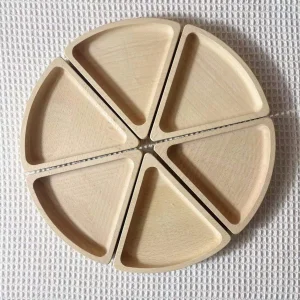
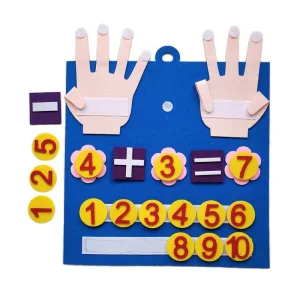
To maximize the educational ROI for schools with limited budgets, we focus on producing multi-functional, open-ended toy designs. A single wooden tray or magnetic panel can serve as a math counting board, a spatial geometry tool, or a collaborative building game, helping schools do more with less equipment.
Partner with Hangzhou Ebid Toy Co., Ltd. to secure premium, standards-compliant Montessori and STEM toy shipments for South African and SADC retail or educational markets.
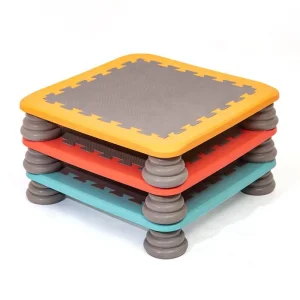
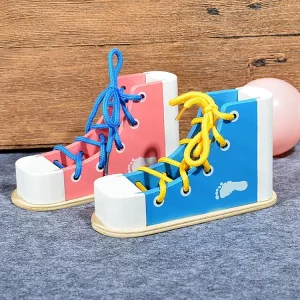
Engineered for durability, fine-motor coordination, and cognitive skill building in preschools and inclusive play centers.
 Ebid Toy