How to Organize Educational Toys for Better Learning Outcomes?

Time:2026-08-01 Author:Charlotte
0%

Organizing educational toys is crucial for maximizing learning outcomes in children. Dr. Emily Torres, an expert in early childhood education, emphasizes, “Effective organization can transform playtime into prime learning moments.” Her insights highlight the importance of strategic placement and categorization of toys.

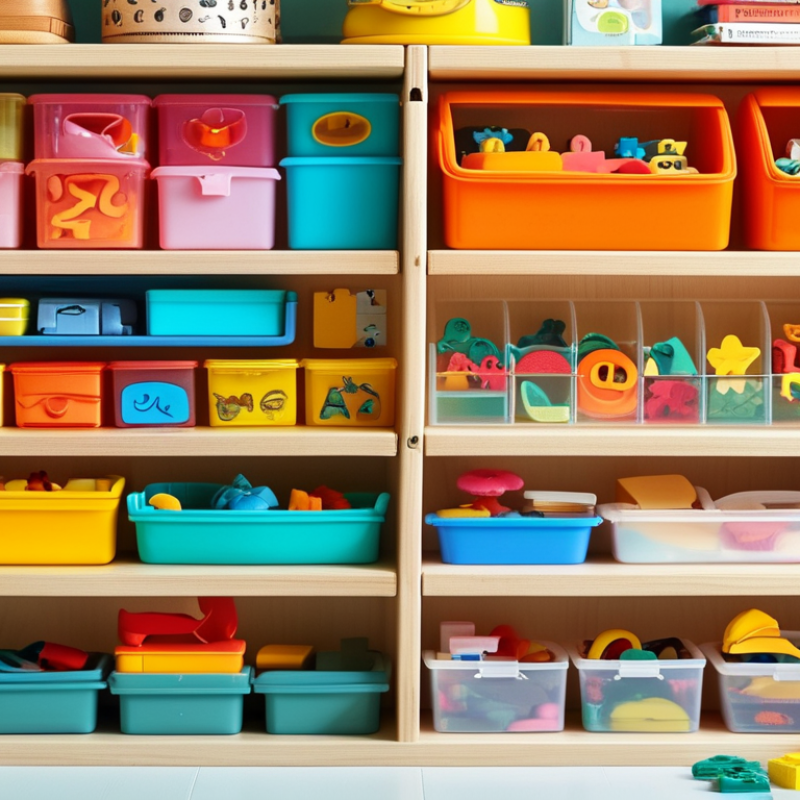
When considering how to organize educational toys effectively, visual appeal and accessibility play significant roles. For example, colorful bins labeled with pictures help children find and return toys easily. Alongside this, maintaining a clutter-free environment encourages exploration and creativity. However, it’s not always easy. Finding the right balance of organization can be challenging.

Reflecting on personal practices can reveal areas for improvement. Are toys often left unsorted, or do they inspire creativity? Taking the time to rethink the organization of educational toys can greatly enhance children’s learning experiences. By adapting and refining our strategies, we can create a more engaging and educational environment.
How to Organize Educational Toys for Better Learning Outcomes?

Understanding the Importance of Organizing Educational Toys

Organizing educational toys is essential for fostering effective learning. When toys are arranged thoughtfully, children can easily access and engage with them. This promotes independence and encourages exploration. A well-organized play area fosters creativity and learning outcomes. Children learn basic concepts through play, and organization significantly enhances this experience.


Tips for organizing toys effectively:
Use clear bins and labels. Children can recognize their toys quickly. Place similar items together to avoid distractions. Regularly rotate toys to maintain interest and prevent clutter. Involve children in the organization process. This teaches responsibility and decision-making.


It's crucial to reflect on your organization's impact. Are toys too accessible or too hidden? A balance is necessary. Over-organization can stifle creativity, while chaos can lead to frustration. Pay attention to your child's preferences. Their engagement will guide your organization efforts. Keep tweaking until you find a system that works well for both of you.

Identifying Key Categories for Toy Organization

Organizing educational toys can significantly enhance learning outcomes. A well-structured play area allows children to engage with toys more efficiently. Identifying key categories is essential for effective organization.

Start by sorting toys into distinct categories. Grouping toys into blocks, puzzles, and art supplies helps children access them easily. Each category should have its own designated space. This approach fosters independence in children. They feel empowered to choose toys that align with their learning needs.

Tips for organizing include using clear bins or labels. Color-coded bins can simplify the selection process. This method caters to children's visual learning preferences. Make sure to rotate toys periodically. This strategy maintains their interest. Children may overlook toys that are always visible. Lastly, involve your child in the organization process. Their input can guide you towards what categories resonate most with their play preferences.

Creating a Designated Play Area for Educational Toys

Creating a designated play area for educational toys can significantly enhance learning experiences. Ideally, this space should be organized and inviting. Consider using low shelves to store toys. This enables children to see what’s available and encourages independent learning. Clearly defined areas for different types of activities can promote focus. For example, have a reading corner and a building station.

When setting up this space, safety is paramount. Ensure that all toys are non-toxic and age-appropriate. Floor mats can provide a comfortable area for play. Regularly assess the space. Are the toys used often? Are some items overlooked? It may be beneficial to rotate toys. This keeps the environment fresh and engaging.

It's also important to consider the layout. A cluttered space can overwhelm children. Aim for simplicity and organization. Group toys by category, like puzzles, art supplies, and construction sets. This helps children learn to categorize and makes cleanup easier. Reflect on how the setup supports learning. Are children interacting with the toys? Observing playtime can shed light on improvements needed.

Educational Toys Effectiveness by Category

Utilizing Storage Solutions for Easy Access and Visibility

Organizing educational toys can greatly enhance learning. Utilizing effective storage solutions is key to achieving this. First, consider transparency. Using clear boxes allows children to see what’s inside. They can easily identify their favorite toys. This visibility encourages independent play and reduces frustration during clean-up.

Labeling is another crucial step. Use simple, clear labels that children can recognize. This supports literacy skills and helps them take responsibility for their toys. A designated area for different types of toys is useful too. Blocks in one spot, art supplies in another.

While these methods work, challenges may arise. Children might forget where items belong or resist putting them back. Regular check-ins can help reinforce this routine. Consider involving children in the organization process. Their input makes them more likely to participate. Embrace the mess that sometimes happens. Organizing takes practice, and learning is often a messy journey.

Establishing a Maintenance Routine for Toy Organization

Organizing educational toys can significantly enhance children's learning experiences. Establishing a maintenance routine for toy organization is essential. Start by designating a space for each type of toy. Use clear bins or labeled containers to make finding toys straightforward. Encourage children to help with this process. It fosters responsibility and awareness of their resources.

Consistency is key. Set a specific day each week for organizing. Children thrive on routine, and regular tidying helps them understand the importance of care. Make it a fun activity with music. Involve them in deciding which toys they still enjoy and which can be passed on. This task can evoke mixed feelings. It teaches them about sharing and letting go.

Don't expect perfection. Toys may end up scattered again quickly. Create a system that accommodates this reality. Regular check-ins can help maintain order while allowing flexibility. Celebrate small wins in keeping the space neat. Reflect on your approach if chaos returns. Adjustments might be necessary to align with kids' evolving interests and habits. Embrace the learning journey together.

How to Organize Educational Toys for Better Learning Outcomes?

Toy Type Recommended Age Group Learning Focus Organizational Method Maintenance Routine
Building Blocks 3-8 years Motor Skills, Creativity Store in labeled bins by size Weekly check for missing pieces
Puzzles 4-10 years Problem Solving, Spatial Awareness Sort by theme and difficulty Monthly reorganization and inspection
STEM Kits 5-12 years Science, Technology, Engineering Keep components in clear containers After each use, check and restock supplies
Art Supplies 2-8 years Creativity, Fine Motor Skills Group by type in labeled drawers Monthly clean-up and refill
Board Games 6-12 years Critical Thinking, Social Skills Store in vertical racks or boxes Inspect for missing pieces regularly

FAQS

: Why is organizing educational toys important for children?

: Organizing toys helps children access and engage with them effectively, promoting independence and exploration.

How can I organize toys for better learning experiences?

Use clear bins, labels, and group similar items together to reduce distractions and enhance focus.

How does a well-organized play area affect creativity?

Balancing organization prevents chaos but avoids over-structuring, which can stifle creativity and engagement.

What categories should I use for sorting toys?

Group toys into distinct categories like blocks, puzzles, and art supplies for easier access.

How can I keep my child interested in their toys?

Regularly rotate toys to maintain interest and prevent overcrowding in their play area.

How can I involve my child in organizing their toys?

Include them in the process to teach responsibility and decision-making about their play environment.

What safety measures should I take when creating a play area?

Ensure all toys are non-toxic, age-appropriate, and arrange them on low shelves for visibility.

How do I maintain a clean and organized play area?

Regularly assess the space, observe playtime, and adjust the layout or categories as needed.

Conclusion

Organizing educational toys effectively plays a crucial role in enhancing children's learning outcomes. By understanding the importance of organization, caregivers and educators can foster an engaging and stimulating environment. Key categories for toy organization may include sorting toys by age, type, or learning objective, making it easier for children to access and engage with the toys that best suit their developmental needs.

Creating a designated play area specifically for educational toys encourages focused play, while utilizing appropriate storage solutions ensures that toys are easily visible and accessible. Moreover, establishing a regular maintenance routine helps keep the play area tidy and organized, allowing children to develop responsibility and care for their learning materials. Overall, implementing these strategies can significantly enhance the educational experience.

Charlotte

Charlotte

Charlotte is a seasoned marketing professional with a deep understanding of the company's portfolio and a passion for elevating its presence in the market. With a keen eye for detail and a commitment to excellence, she ensures that our professional blog is regularly updated with insightful articles......