Choosing the right educational toys for children is crucial. As Dr. Emily Johnson, an expert in early childhood development, states, "Play is the foundation of learning." Parents often face challenges when scouring the market. The abundance of options can be overwhelming, making it hard to determine which toys promote genuine learning.
Understanding how to identify high-quality educational toys is essential. Look for toys that engage children's imaginations and encourage problem-solving. Toys that stimulate creativity often stand out. They offer more than entertainment; they foster skills that are vital for child development. Moreover, consider the materials used in these toys. Safe, durable, and eco-friendly materials are indicators of quality.
However, it’s not always clear which toys will suit your child best. Individual interests vary widely, and what captivates one child may not engage another. Reflection on your child’s preferences is important. This personalized approach can help navigate the toy aisle more effectively, leading to better choices that align with your child's growth and curiosity.
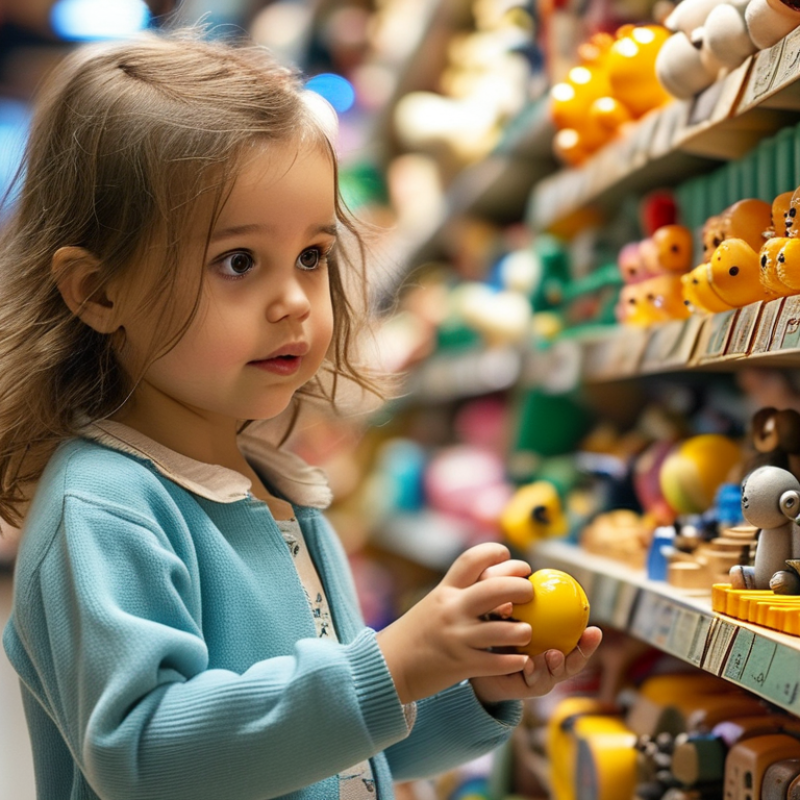
Understanding the Importance of Educational Toys in Child Development
Educational toys play a crucial role in a child's development. They help stimulate cognitive growth and enhance motor skills. Through play, children learn to solve problems and think creatively. Toys that encourage exploration and experimentation foster a sense of curiosity. This curiosity is vital for lifelong learning.
Choosing the right educational toys can be challenging. Parents often feel overwhelmed by available options. It's important to consider a child's interests and developmental stage. Some toys may claim educational value but do not engage children effectively. This is where reflection is key. Parents should observe how their children interact with toys. Do they engage? Do they show interest? These observations can lead to better choices.
Moreover, not all children learn the same way. Some may thrive in a hands-on environment, while others prefer auditory or visual learning tools. Understanding these differences can guide parents in selecting truly beneficial toys. The best educational toys spark joy, creativity, and skills in children. Balancing fun with learning ensures that children develop essential skills while they play.
Key Features to Look for in Educational Toys
When selecting educational toys, parents should focus on several key features. Look for toys that encourage problem-solving and critical thinking skills. Puzzles and building sets can stimulate a child's mind. They promote creativity and logical reasoning, helping kids learn through play. Toys that involve sensory exploration are also beneficial. They engage multiple senses, enhancing cognitive development.
Durability is another crucial aspect. High-quality toys stand up to rough handling. Children can be tough on their belongings, so opting for sturdy materials ensures longevity. Safety is equally important. Check for non-toxic materials and avoid small parts that can pose choking hazards. A well-designed educational toy can foster independence. Ensure it allows children to explore at their own pace.
Consider toys that spark interest in science, technology, engineering, and math (STEM). These subjects are foundational for future learning. However, balance is critical. Too much emphasis on one skill set might limit overall growth. Finally, always observe how children interact with toys. Their preferences can reveal a lot about their developmental needs and interests. Choose toys that adapt as they grow, providing ongoing challenges and engagement.
How to Identify the Best Educational Toys for Children
Age Appropriateness: Matching Toys with Developmental Stages
When choosing educational toys for children, age appropriateness is crucial. Each developmental stage comes with unique needs. Babies, for example, thrive on sensory stimulation. Toys that make sounds or have different textures engage their growing curiosity. At this stage, colorful blocks or soft stuffed animals can be very helpful. They not only entertain but also promote motor skills and bonding.
As children grow into toddlers, they begin exploring problem-solving. Toys like shape sorters or simple puzzles encourage critical thinking. Parents and caregivers should be aware that toddlers often have short attention spans. Selecting toys that can adapt to their interests is essential. However, not every toy will captivate every child. Observing what excites them may lead to better choices.
When children reach preschool age, imaginative play is key. They enjoy role-playing and exploring various scenarios. Toys like building sets or art supplies can stimulate their creativity. It’s important to recognize that not all educational toys hit the mark. Sometimes, what seems valuable may not resonate with a child’s interests. Taking time to reflect on these choices can lead to a more engaging playtime.
Types of Educational Toys and Their Unique Benefits
When choosing educational toys for children, understanding the types available is crucial. Building blocks are a classic choice. They enhance spatial awareness and coordination. Children learn to think critically as they create various structures. Different shapes and colors stimulate their creativity. They can play alone or with peers, which encourages social interaction.
Another valuable type is STEM (Science, Technology, Engineering, and Mathematics) toys. These often involve problem-solving tasks. Children become engaged in hands-on learning, which can boost their curiosity. These toys teach important concepts early. Kids learn about cause and effect while having fun. However, parents may worry about the complexity. Finding the right balance in challenge is essential.
Art supplies also fall under educational toys. They foster self-expression and fine motor skills. Drawing, painting, or crafting encourages imagination. Children often express emotions through art. Yet, some may need guidance to explore their creativity fully. Setting aside time for artistic play can lead to unexpected discoveries. Each type of toy offers unique benefits, influencing a child's development in different ways.
How to Identify the Best Educational Toys for Children? - Types of Educational Toys and Their Unique Benefits
| Toy Type |
Age Range |
Key Benefits |
Skills Developed |
| Building Blocks |
2-6 years |
Encourages creativity and spatial awareness |
Fine motor skills, problem-solving |
| Puzzles |
3-8 years |
Enhances critical thinking and patience |
Cognitive skills, hand-eye coordination |
| Art Supplies |
4-12 years |
Fosters self-expression and creativity |
Fine motor skills, artistic skills |
| Science Kits |
8-14 years |
Promotes curiosity and scientific thinking |
Analytical skills, inquiry-based learning |
| Board Games |
6-12 years |
Encourages teamwork and strategic thinking |
Social skills, reasoning |
Tips for Balancing Fun and Learning in Toy Selection
When selecting toys, it's essential to strike a balance between enjoyment and education. Research indicates that play is critical for a child’s cognitive development. According to a report by the American Academy of Pediatrics, play influences learning experiences, promoting skills such as problem-solving and social interaction. This highlights the importance of choosing toys that offer both fun and functionality.
Educational toys should engage children while facilitating learning outcomes. For instance, building blocks enhance creativity and fine motor skills. A study published in the journal "Child Development" found that hands-on play fosters executive function abilities in young children. However, relying solely on repetitive electronic toys may limit creative exploration. It's crucial to consider age-appropriate options that encourage imaginative play.
Parents often face challenges in ensuring the right mix of fun and learning. The Toy Association suggests looking for toys that encourage open-ended play while sparking interest in subjects like science and art. An overly structured approach may stifle a child's natural curiosity. Finding toys that provide opportunities for experimentation can cultivate a love for learning. Balancing these elements requires ongoing reflection about the child's developmental needs and interests.
FAQS
: Educational toys aid in a child's cognitive growth and motor skills. They promote problem-solving and creative thinking.
Parents should consider their child's interests and developmental stage. Observe how children interact with toys for effective choices.
Curiosity fosters lifelong learning. Toys that encourage exploration help children to engage and develop a love for discovery.
Look for toys that enhance problem-solving and critical thinking. Durability, safety, and sensory engagement are also important factors.
Building blocks enhance spatial awareness, while STEM toys boost problem-solving. Art supplies encourage creativity and fine motor skills.
No, children have different learning preferences. Some thrive in hands-on settings, while others prefer auditory or visual tools.
Too much focus on one skill can limit growth. Select toys that cover diverse skills and adapt as children mature.
Observations reveal preferences and developmental needs. Parents can make informed choices based on their child's engagement levels.
Toys like building blocks can be played with alone or with peers, encouraging collaboration and social skills.
Parents can feel overwhelmed by options. Reflecting on children's interests and needs can alleviate this stress and improve choices.
Conclusion
When it comes to choosing the right educational toys for children, understanding how to identify high-quality educational toys is crucial for supporting their development. These toys play a significant role in fostering cognitive, social, and emotional growth. Key features to consider include durability, safety, and the ability to engage children in learning through play. It's important to match toys with developmental stages, ensuring age-appropriate challenges that resonate with a child's current abilities and interests.
There are various types of educational toys, each offering unique benefits—ranging from enhancing problem-solving skills to promoting creativity. Balancing fun and learning is essential in toy selection; toys should be enjoyable to capture a child's interest while still imparting educational value. By focusing on these guidelines, parents and caregivers can effectively choose toys that not only entertain but also enrich a child’s learning experience.

 Ebid Toy